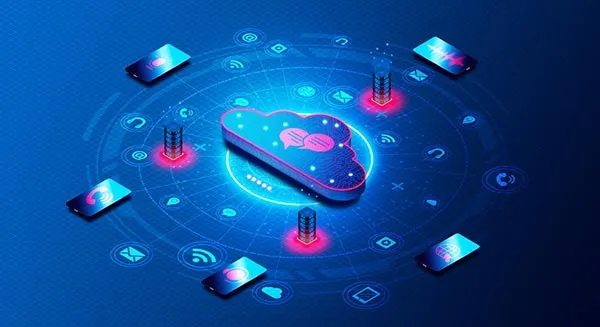

Customer expectations have changed dramatically over the last few years. People no longer want to wait endlessly for customer support or struggle to communicate with businesses through outdated systems. They expect instant responses, personalized communication, and seamless support experiences across multiple channels. Whether a customer reaches out through a phone call, social media message, email, or live chat, they expect businesses to respond quickly and efficiently. This growing demand for convenience has completely transformed the way companies handle customer interactions. Businesses today cannot rely solely on traditional customer support methods if they want to stay competitive in the digital marketplace.
This is exactly where contact center solutions come into play. These solutions act like the central nervous system of modern customer communication. They help businesses manage customer interactions from one unified platform while improving speed, consistency, and service quality. Modern contact centers are no longer limited to handling phone calls alone. They support a wide range of communication channels including SMS, email, social media, video calls, mobile apps, and AI-powered chat systems. Companies using advanced contact center services in USA can provide faster responses, better support experiences, and stronger customer relationships.
At the same time, businesses are under pressure to reduce costs and improve efficiency. Hiring large in-house support teams and maintaining traditional call center infrastructure can be extremely expensive. That is why many organizations now prefer outsourced contact center services and virtual contact center services USA to streamline operations while improving customer support quality. With advanced cloud-based technologies and automation tools, businesses can now serve customers around the clock without massive operational expenses.
Modern contact center solutions are not just support tools anymore. They are business growth engines. They help organizations improve customer retention, increase productivity, boost sales opportunities, and strengthen brand reputation. From B2B lead generation services to 24/7 customer support services, modern contact centers have become an essential part of successful business strategies in almost every industry today.
Understanding the Evolution of Customer Communication
Customer communication has evolved more in the last decade than in the previous fifty years combined. In the past, businesses relied heavily on traditional call centers where customer interactions happened almost entirely through telephone conversations. While this system worked for many years, it came with several limitations. Customers often experienced long waiting times, repeated transfers between departments, and inconsistent support experiences. Businesses also struggled with managing large call volumes efficiently.
The rise of digital technology changed everything. Customers began using smartphones, social media platforms, messaging apps, and email as primary communication tools. Suddenly, businesses had to adapt to a world where customers expected support across multiple channels simultaneously. A customer might send an email in the morning, continue the conversation through live chat in the afternoon, and expect follow-up support through social media later in the day. Traditional call centers simply were not designed to handle this level of communication complexity.
This shift led to the development of modern omnichannel contact center solutions. Unlike traditional systems, omnichannel platforms connect every communication channel into one centralized system. This means businesses can track customer interactions seamlessly regardless of how customers choose to communicate. It creates a smoother and more personalized customer experience while improving operational efficiency for support teams.
Another major transformation is the growing adoption of cloud technology and remote support operations. Businesses now rely heavily on virtual contact center services USA to support remote agents working from different locations. This flexibility allows companies to provide uninterrupted customer support while reducing infrastructure costs. The contact center industry has become more agile, scalable, and technology-driven than ever before, making it one of the most critical components of modern business success.
What Are Contact Center Solutions?
A contact center solution is a centralized communication platform that helps businesses manage customer interactions across multiple channels efficiently. Think of it as a digital command center where all customer communication flows into one organized system. Instead of handling calls, emails, chats, and messages separately, businesses can manage everything from a single platform. This creates faster communication, better organization, and improved customer experiences.
Modern contact center solutions support a wide range of communication methods including phone calls, live chat, email support, social media messaging, SMS communication, video conferencing, and self-service portals. These systems also integrate advanced technologies such as artificial intelligence, automation tools, customer relationship management software, and analytics dashboards. Businesses can monitor customer interactions in real time, track agent performance, and identify service improvement opportunities quickly.
The demand for professional contact center services in USA continues to grow because businesses understand the direct connection between customer experience and revenue growth. A customer who receives fast and helpful support is far more likely to remain loyal to a company. On the other hand, poor customer service can push customers toward competitors almost instantly. Contact center solutions help businesses avoid these problems by streamlining communication and improving consistency.
Companies also use these solutions for more than just customer support. Many organizations depend on Inbound contact center services for handling customer inquiries and technical support requests. At the same time, Outbound contact center services help businesses manage sales campaigns, appointment reminders, customer follow-ups, and lead generation efforts. Some companies even use contact centers for internal communication and employee support. This flexibility makes contact center solutions valuable for businesses of every size and industry.
Key Features of Modern Contact Center Solutions
Modern contact center technologies come with advanced features designed to improve efficiency, customer satisfaction, and business productivity. One of the most important features is omnichannel contact center solutions. Customers today communicate through multiple platforms, and businesses must ensure every interaction feels connected and seamless. Omnichannel systems allow customers to switch between communication channels without losing conversation history. This creates a consistent and personalized customer experience.
Artificial intelligence and automation have also become major components of modern contact centers. AI-powered chatbots can answer frequently asked questions instantly, reducing wait times and allowing human agents to focus on complex issues. Automated workflows help businesses manage repetitive tasks such as ticket routing, appointment scheduling, and customer follow-ups. This improves efficiency while reducing operational costs significantly.
Cloud-based infrastructure is another game-changing feature. Traditional call centers required expensive hardware, office space, and maintenance costs. Modern cloud contact centers eliminate these limitations. Businesses using virtual contact center services USA can support remote teams from virtually anywhere while maintaining secure and reliable communication systems. This flexibility became especially important after remote work gained global popularity.
Analytics and reporting tools also play a critical role in modern contact center solutions. Businesses can track customer satisfaction scores, monitor call resolution rates, analyze customer behavior, and measure agent performance in real time. These insights help companies identify weaknesses and improve service quality continuously. The combination of AI, automation, cloud technology, and data analytics has completely transformed how businesses communicate with customers today.
Omnichannel Contact Center Solutions
Imagine walking into a store where every employee already knows your previous interactions, preferences, and concerns. That is essentially what omnichannel contact center solutions aim to achieve in the digital world. Customers today expect businesses to remember them regardless of the communication platform they use. If a customer begins a conversation through email and later switches to live chat, they do not want to repeat the same information again. Omnichannel technology makes this seamless communication possible.
Businesses using omnichannel solutions can centralize customer interactions across phone calls, social media platforms, live chat systems, SMS messages, and email communication. Support agents can access complete customer histories instantly, allowing them to provide faster and more personalized assistance. This not only improves customer satisfaction but also helps businesses resolve issues more efficiently.
Another major advantage is improved operational visibility. Managers can track communication performance across all channels from a single dashboard. This helps businesses identify customer trends, monitor service quality, and optimize support strategies. In highly competitive industries, businesses that provide smooth omnichannel experiences often outperform competitors significantly.
Customers value convenience more than ever before. They want businesses to communicate on their terms rather than forcing them into limited support options. Omnichannel systems create flexible and customer-friendly communication environments that improve trust and loyalty. Companies investing in modern omnichannel solutions are positioning themselves for long-term success in an increasingly digital world.
Inbound Contact Center Services
Inbound contact center services focus primarily on handling incoming customer interactions. These services include customer support, technical assistance, billing inquiries, appointment scheduling, help desk operations, and product-related questions. Businesses across industries rely heavily on inbound support teams because customer satisfaction often depends on how quickly and effectively issues are resolved.
Customers contacting support teams are often frustrated, confused, or in need of urgent assistance. A poor support experience can damage customer trust almost instantly. This is why businesses invest heavily in professional inbound support systems and trained customer service representatives. Efficient inbound support creates smoother customer experiences while strengthening brand reputation.
Many businesses also combine inbound support with help desk services in USA to provide technical assistance for products, software, and online services. Help desk teams troubleshoot problems, guide customers through solutions, and ensure minimal disruptions. Technology companies, healthcare organizations, banks, and e-commerce businesses especially depend on strong help desk support systems.
Modern inbound contact centers also use AI-powered tools, CRM integration, and automated ticket routing to improve efficiency. Calls and messages are directed to the right departments quickly, reducing wait times and improving issue resolution rates. Combined with 24/7 customer support services, inbound support systems allow businesses to remain accessible and responsive at all times.
Outbound Contact Center Services
While inbound services focus on receiving customer inquiries, Outbound contact center services involve proactive communication initiated by businesses. These services are commonly used for telemarketing, lead generation, appointment reminders, customer surveys, follow-up calls, and promotional campaigns. Outbound communication plays a major role in customer engagement and business growth.
One of the biggest advantages of outbound services is improved revenue generation. Businesses use B2B lead generation services to identify potential customers, qualify leads, and connect with decision-makers. This process helps sales teams focus on high-quality opportunities instead of wasting time on unqualified prospects.
Outbound contact centers also support customer retention efforts. Businesses can proactively follow up with customers after purchases, gather feedback, resolve concerns, and maintain strong relationships. These follow-up interactions show customers that businesses genuinely care about their experiences.
Many organizations also rely on Sales support services USA to strengthen their sales operations. Sales support agents assist with appointment scheduling, lead nurturing, customer outreach, and account management tasks. This additional support improves productivity for sales teams and increases conversion opportunities significantly.
Benefits of Outsourced Contact Center Services
Managing an in-house contact center can be expensive and time-consuming. Businesses must invest in office infrastructure, communication systems, employee training, software platforms, and operational management. This is why many organizations now choose Outsourced contact center services instead of handling everything internally.
One of the biggest advantages of outsourcing is cost reduction. Outsourcing providers already have the necessary technology, infrastructure, and trained staff in place. Businesses can access professional support services without making massive upfront investments. This makes outsourcing especially attractive for small and medium-sized businesses looking to scale efficiently.
Another important benefit is flexibility. Businesses often experience seasonal spikes in customer inquiries during holidays, product launches, or promotional campaigns. Outsourcing providers can quickly scale support operations up or down based on demand. This ensures businesses maintain consistent service quality without overstaffing during slower periods.
Outsourcing also provides access to advanced technologies and specialized expertise. Many providers offer AI-powered systems, multilingual support teams, cloud-based communication platforms, and detailed analytics reporting. Businesses using outsource contact center solutions can improve customer experiences while focusing more attention on core business operations.
24/7 Customer Support Services and Multilingual Support
Customers today expect businesses to be available anytime they need assistance. Whether it is late at night, early morning, or during holidays, customers want immediate answers and quick solutions. This growing expectation has increased demand for 24/7 customer support services and 24/7 call handling services in US.
Round-the-clock support helps businesses remain competitive while improving customer trust. Customers feel more confident buying products or services from companies that provide constant support availability. This is especially important for industries such as healthcare, banking, travel, and e-commerce where urgent issues may arise outside regular business hours.
Global business expansion has also increased the need for Multilingual customer service outsourcing and multilingual customer service USA. Customers prefer communicating in their native language because it improves understanding and comfort. Businesses serving international audiences need multilingual support teams capable of handling diverse communication needs.
A professional multilingual contact center helps businesses connect with customers from different regions while reducing communication barriers. Multilingual support improves customer satisfaction, strengthens brand loyalty, and opens opportunities for international business growth. In today’s global economy, language accessibility has become a powerful competitive advantage.
Industries That Benefit from Contact Center Solutions
Almost every industry today depends on modern contact center technologies to improve communication and customer support. Healthcare organizations use contact centers for appointment scheduling, patient support, emergency communication, and telehealth assistance. Efficient communication helps improve patient experiences while reducing administrative burdens.
Retail and e-commerce businesses rely heavily on contact centers for order tracking, returns management, payment support, and delivery updates. Customers shopping online expect fast assistance and real-time communication throughout the purchasing process.
Financial institutions and banks use secure contact center systems for account management, fraud prevention, loan assistance, and customer support. Trust and reliability are extremely important in the financial sector, making strong communication systems essential.
Educational institutions also benefit from contact center technologies. Schools, colleges, and online learning platforms use support teams to assist students, manage admissions inquiries, and provide technical support for digital learning systems. Contact center solutions have become critical communication tools across nearly every major industry.
The Future of Contact Center Technology
The future of contact center solutions is being shaped by artificial intelligence, automation, predictive analytics, and advanced personalization technologies. Businesses are moving toward smarter systems capable of understanding customer behavior, predicting needs, and delivering proactive support experiences.
AI-powered virtual assistants are becoming increasingly advanced. These systems can now understand natural language, process customer requests instantly, and provide accurate responses without human intervention. This improves response speed while reducing workloads for support agents.
Predictive analytics is another major trend transforming customer support operations. Businesses can analyze customer data to identify patterns, predict issues, and personalize communication strategies. Instead of waiting for customers to report problems, businesses can proactively offer solutions before issues escalate.
Voice recognition technology, advanced cybersecurity systems, and self-service support portals are also expected to play major roles in future contact center environments. Companies that invest in modern communication technologies today will be better prepared to meet customer expectations tomorrow.
Conclusion
Contact center solutions have become one of the most important tools for modern business success. Customers now expect fast responses, personalized communication, and seamless support experiences across multiple channels. Businesses that fail to meet these expectations risk losing customers to competitors quickly.
Modern technologies such as omnichannel contact center solutions, Inbound contact center services, Outbound contact center services, and virtual contact center services USA help companies improve efficiency while delivering better customer experiences. Businesses also benefit from 24/7 customer support services, multilingual communication capabilities, and advanced automation technologies.
As digital transformation continues to reshape customer expectations, contact center solutions will remain essential for building stronger relationships, improving customer satisfaction, and driving long-term business growth. Companies investing in advanced communication technologies today are preparing themselves for a more connected and customer-focused future.
FAQs
- What is a contact center solution?
A contact center solution is a centralized communication platform that helps businesses manage customer interactions through phone calls, emails, live chat, social media, and other communication channels.
- What are omnichannel contact center solutions?
Omnichannel contact center solutions integrate multiple communication channels into one unified platform, allowing customers to switch channels seamlessly while maintaining conversation history.
- Why do businesses use outsourced contact center services?
Businesses use outsourced contact center services to reduce operational costs, improve
scalability, access advanced technology, and provide professional customer support more efficiently.
- What is the difference between inbound and outbound contact center services?
Inbound contact center services handle incoming customer inquiries and support requests, while outbound contact center services involve proactive communication such as sales calls and lead generation.
- Why is multilingual customer support important?
Multilingual customer support improves communication with diverse audiences, enhances customer satisfaction, and helps businesses expand into global markets more effectively.